

Initial Situation
A customer from the chemical and coatings industry approached TPS Elektronik with the objective of improving internal quality control processes while preparing for expansion into Southeast Asia.
The existing production environment lacked a standardized method for generating reproducible quality control samples. As a result, calibration procedures were inconsistent, and audit preparation for international markets required significant manual effort. In parallel, the customer was seeking structured approaches to reduce manufacturing and testing costs without compromising compliance with European export requirements.
In addition, material verification played a central role. The customer required reliable element testing to validate coating compositions, monitor impurities, and ensure consistent laboratory results across different production batches.
Given the sensitivity of laboratory measurement systems, electromagnetic influences also needed to be assessed. The customer requested technical guidance on electromagnetic protection measures suitable for test and production environments.
TPS Elektronik Solution
TPS Elektronik developed an integrated solution combining automation, analytical testing, compliance support, and cost optimization.
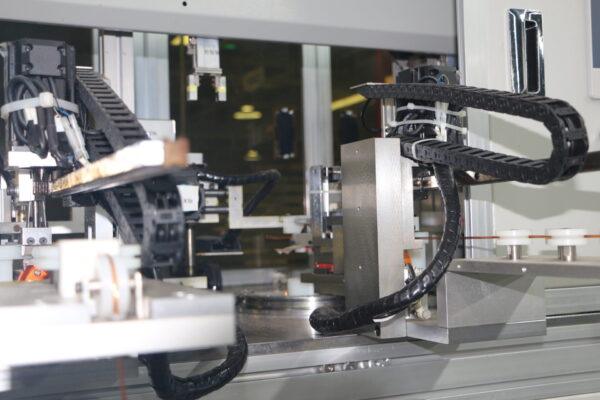
Quality Control and Sampling Automation
- Design and implementation of a dedicated quality control sample generator for coating and paint analysis.
- Introduction of standardized sampling procedures to improve repeatability and traceability.
- Reduction of manual handling steps to minimize variability and operator-dependent errors.
Element Testing and Material Validation
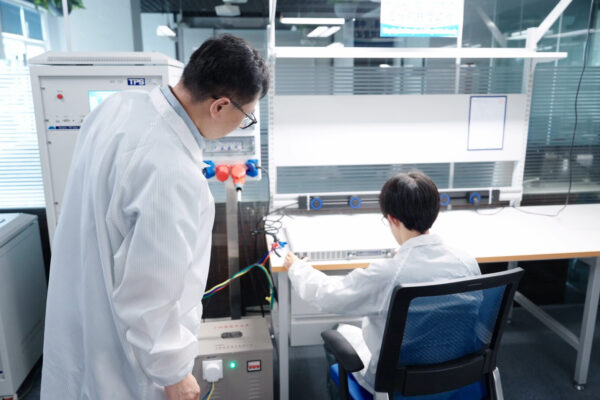
- Execution of structured element testing to analyze pigment composition and relevant trace elements.
- Documentation of test results in a format suitable for internal quality assurance and regulatory review.
- Support for consistent material verification across production and laboratory environments.
Certification and Regulatory Support
- Support of product-related quality and documentation processes aligned with applicable CE requirements.
- Review of technical documentation and labeling concepts relevant for international market access.
- Coordination of testing activities to support audit readiness without implying certification authority.
Electromagnetic Protection Measures
- Technical explanation of electromagnetic disturbance mechanisms relevant to laboratory equipment.
- Development of shielding and grounding concepts appropriate for test setups and industrial environments.
- Alignment of protection measures with applicable internal and regional technical guidelines.
Cost Optimization and Market Preparation
- Identification of cost-reduction potentials through process standardization and optimized test workflows.
- Reduction of material waste and energy consumption during testing activities.
- Preparation of documentation and process structures suitable for Southeast Asia market entry.
Results
The implemented measures led to measurable operational improvements:
- Improved process consistency: Standardized sampling increased repeatability of laboratory results under comparable conditions.
- Regulatory readiness: Structured documentation and testing workflows supported CE-related export preparation.
- Cost efficiency: Optimized testing procedures contributed to a noticeable reduction in operational testing costs.
- Material assurance: Element testing enhanced transparency and reliability in coating material validation.
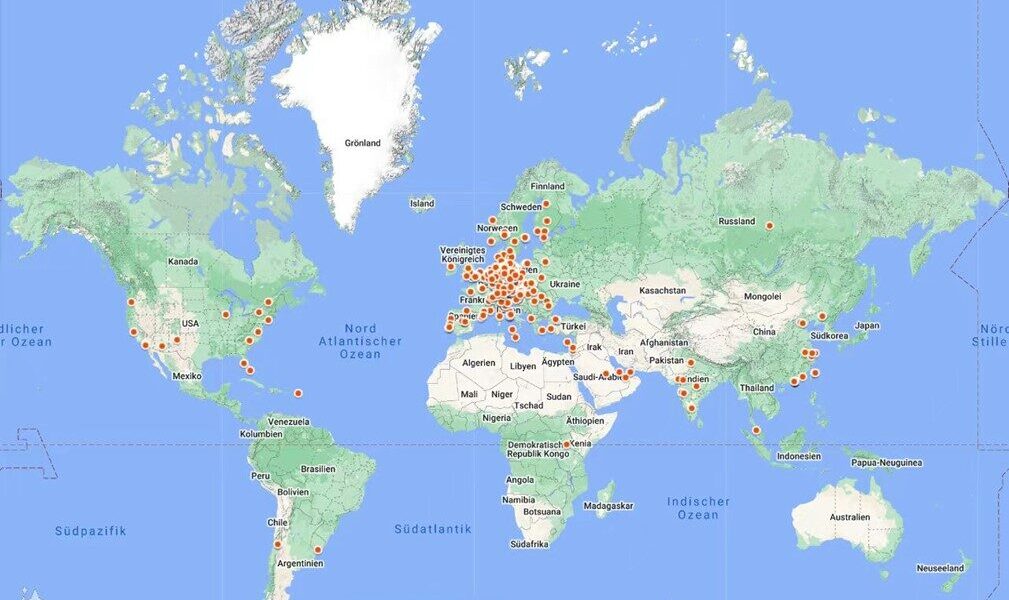
- International readiness: The customer entered the Southeast Asia market with harmonized quality and documentation processes.
Conclusion
This project demonstrates how TPS Elektronik supports industrial customers by combining quality control automation, element testing, and compliance-oriented process development.
By establishing reproducible sampling methods, improving material validation, and optimizing testing workflows, the customer was able to strengthen quality assurance while preparing for international market expansion. The approach focused on technical robustness, regulatory alignment, and sustainable cost control rather than short-term optimization.
The case highlights TPS Elektronik’s role as an engineering partner for quality-driven manufacturing environments operating in regulated international markets.