

Initial Situation
An international electronics manufacturer approached TPS Elektronik with the objective of improving production efficiency across its assembly lines and incoming material handling processes.
Although the company was well established, it faced recurring challenges related to component quality, workflow interruptions, and inconsistent inspection practices. Incoming goods inspection was largely manual, unevenly applied, and insufficiently documented. As a result, material approvals were delayed, rejections occurred late in the process, and production stops became more frequent.
The lack of a standardized inspection framework made it difficult to achieve measurable and sustainable improvements in production line efficiency. Management therefore sought a structured, transparent approach to improving manufacturing productivity and process reliability.
Key Challenges
- No standardized incoming goods inspection procedure or checklist
- Limited traceability due to paper-based or inconsistent documentation
- Absence of a digital incoming goods inspection form
- Gaps in communication between quality assurance, logistics, and production
- Assembly bottlenecks affecting production flow and planning
- Limited internal experience with lean and digital efficiency methods
To address these issues, the company engaged TPS Elektronik to develop a structured process optimization and quality control concept.
TPS Elektronik’s Approach
TPS Elektronik conducted a comprehensive analysis of the production workflow, covering material receipt, inspection, internal logistics, and final assembly. Based on this assessment, a multi-step improvement program was implemented with a focus on process stability, transparency, and efficiency.
Standardized Incoming Goods Inspection
- Defined a clear incoming goods inspection procedure with responsibilities and decision points
- Introduced a digital incoming goods inspection form integrated into the existing ERP environment
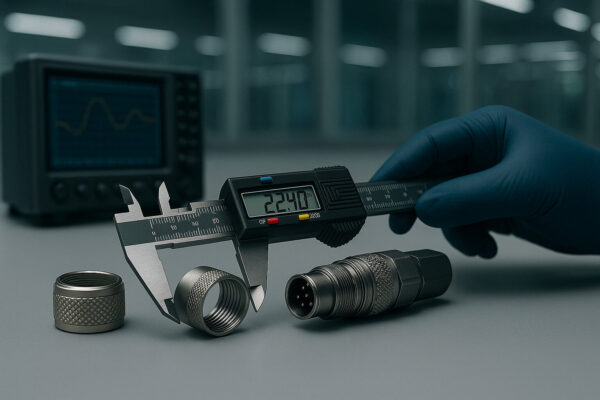
- Implemented a structured incoming goods inspection checklist with visual references
- Trained warehouse and quality staff to ensure consistent application across all shifts
Production Line Optimization
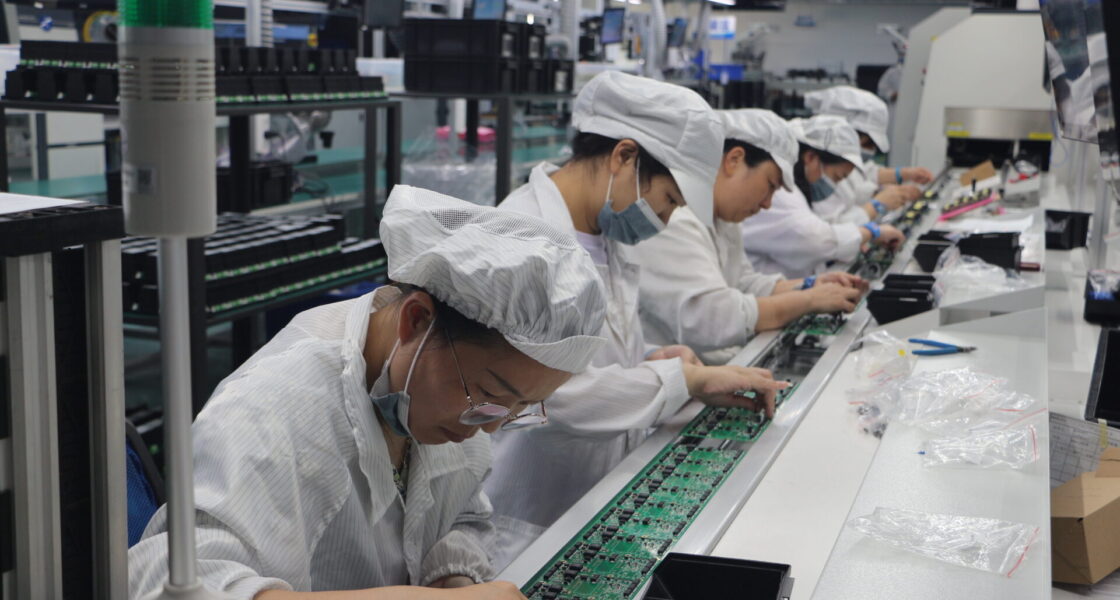
- Analyzed process flows to identify recurring bottlenecks and inefficiencies
- Applied lean manufacturing principles to reduce unnecessary material movement and waiting times
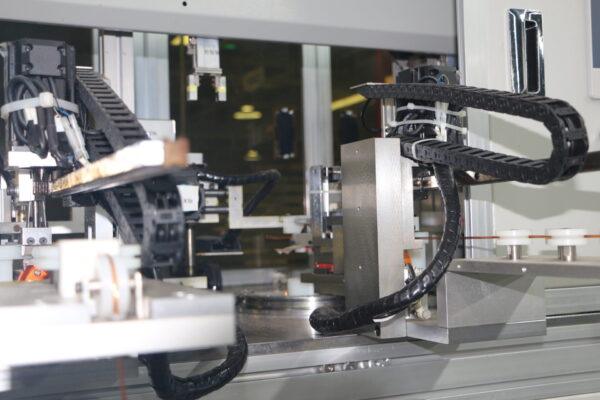
- Supported targeted automation measures where appropriate
- Introduced monitoring dashboards to support data-based evaluation of production line efficiency indicators
Cross-Department Collaboration
- Established structured communication routines between quality, logistics, and assembly teams
- Aligned inspection results more closely with production planning and material availability
- Conducted training sessions focused on data-driven issue reporting and continuous improvement practices
Digitalization and Documentation
- Digitized inspection data to enable traceability from supplier delivery to finished product
- Linked inspection results with supplier performance evaluations to support ongoing improvement efforts
Project Outcomes
Following implementation, the customer observed measurable improvements in several operational areas:
- Reduced unplanned downtime linked to clearer inspection procedures and improved material flow
- Faster and more transparent material approval through standardized checklists and digital forms
- Improved throughput as a result of optimized workflows and reduced interruptions
- Stronger collaboration between departments, supporting a more structured improvement culture
- Fewer quality-related incidents due to earlier detection and better documentation
The exact results depended on process conditions and implementation scope but demonstrated the effectiveness of a structured, data-driven approach.
Conclusion
This case study illustrates how TPS Elektronik supports electronics manufacturers in improving production efficiency and strengthening process reliability. By standardizing incoming goods inspection procedures, introducing digital inspection tools, and applying structured production line optimization methods, the customer established a more transparent and resilient manufacturing process.
Beyond immediate operational improvements, the project laid the foundation for continuous improvement through better data availability, clearer responsibilities, and closer cross-functional collaboration. This reinforces TPS Elektronik’s role as a reliable partner for manufacturing process optimization and quality management in industrial environments.