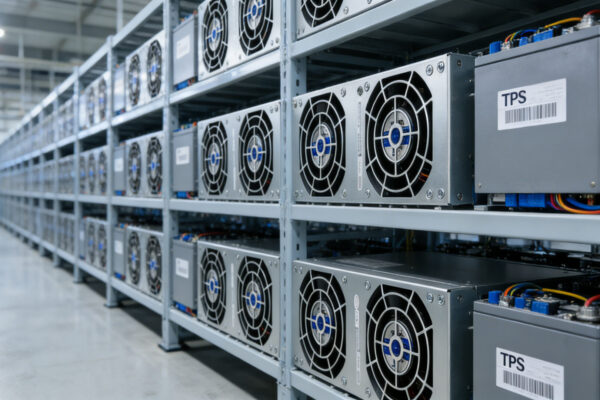


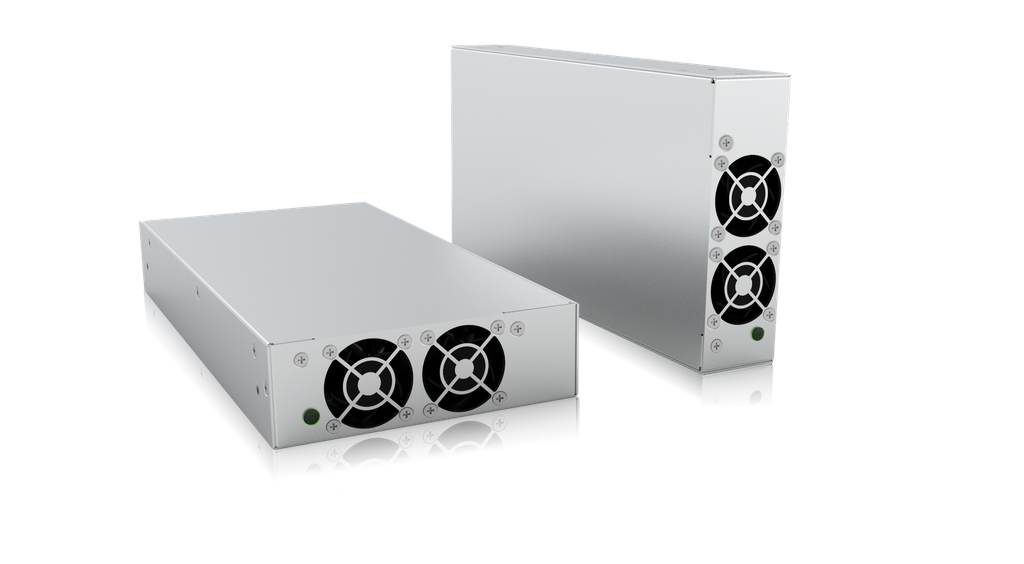
The TPS-BM series brings those requirements into one AC-DC bidirectional power module platform. The range covered here includes TPS-BM142250SIR, TPS-BM142400SI, and TPS-BM142650SI(R), with 176-264VAC input, 14VDC output in AC-to-DC mode, high PF up to 0.99, THDi <5%, fast bidirectional switching under 10ms, and parallel operation up to 8 units.
|
View TPS-BM142400SI →
|
View TPS-BM142650SI →
|
View TPS-BM142650SIR →
1. Why AC-DC bidirectional power modules matter at RFQ stage
In BoFu buying cycles, engineers and buyers are no longer comparing categories. They are comparing deployment risk. That is especially true when the application involves cell formation testing, power bidirectional testing, energy recyclable aging, or any rack- and cabinet-level system that must move power efficiently between the grid side and the DC side.
A generic converter may look acceptable on a shortlist, but RFQ friction usually appears later. Typical failure points include weak power factor, unstable harmonic performance, too much thermal derating, limited expandability, and poor coordination between airflow direction, cabinet layout, and terminal access. For panel builders, that means rework. For procurement, it means slower technical signoff. For system integrators, it means schedule risk.
The TPS-BM series is positioned for exactly that decision stage. Instead of separating rectifier and inverter behavior into different hardware blocks, the platform supports bidirectional energy flow in one module family. It is therefore easier to use in projects where charging, discharging, regeneration, grid return, or energy transfer behavior must be controlled at system level rather than patched together from multiple standalone supplies.
This is also why the platform is relevant beyond the lab. If your project moves toward production equipment, formation lines, automated aging stations, or a grid-connected inverter subsystem, you need a module that supports cleaner AC-side behavior and practical cabinet integration. In the same power architecture, many OEMs also separate low-power control loads from the main bidirectional block; where that is needed, TPS references such as the TPS030 PRO Series DIN rail power supply or the compact TPS010 GP Series can support auxiliary 24V cabinet power.
2. What the TPS-BM14 platform includes
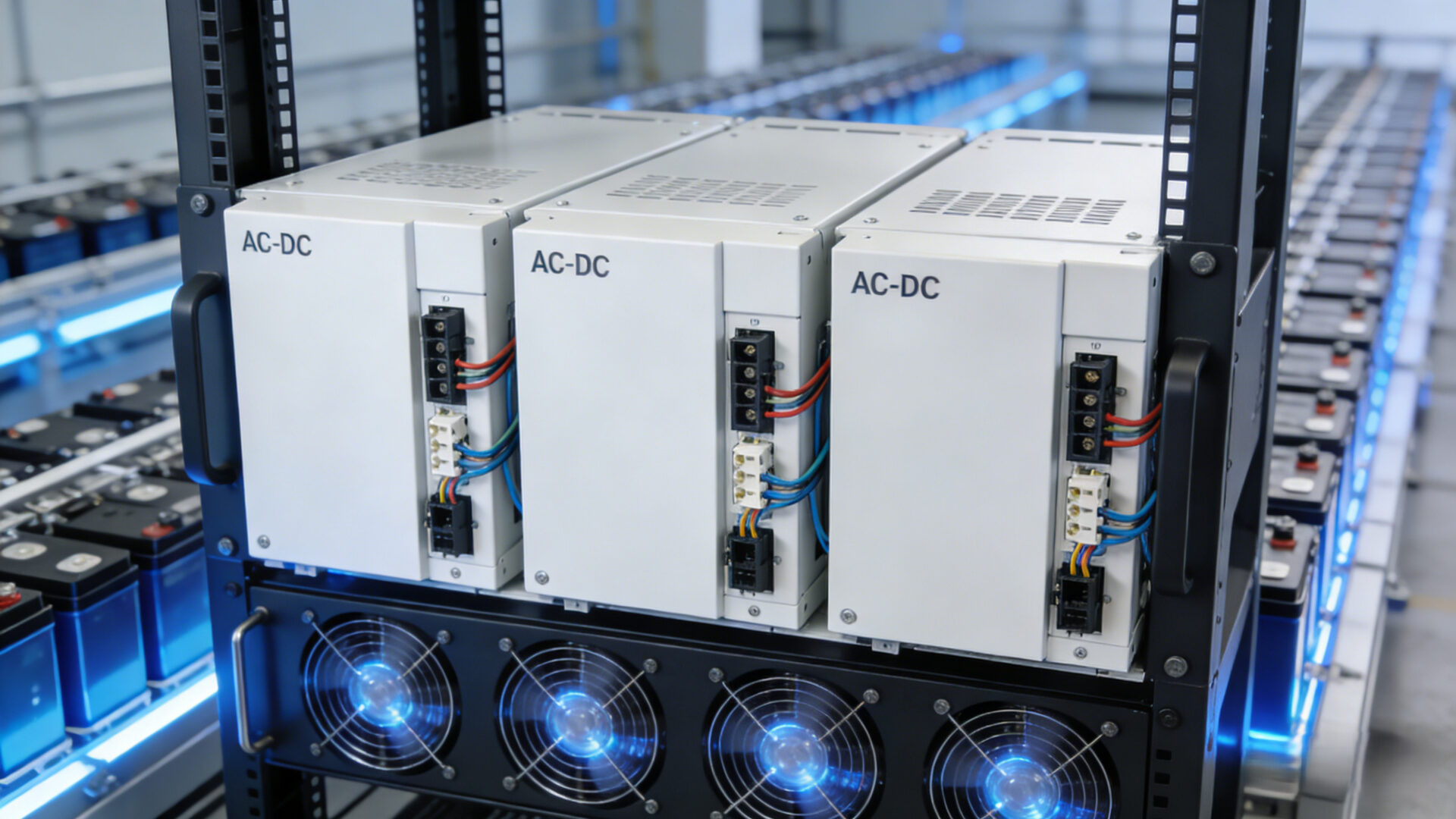
The value of the BM14 platform is not just wattage. It is the combination of 176-264VAC single-phase input, 14VDC output in AC-to-DC mode, bidirectional operating logic, soft switching technology, and modular expandability. For engineers, that improves design predictability. For sourcing teams, it creates a cleaner family structure for quote comparison and qualification.
2.1 Model comparison: 2250W, 2400W, and 2650W options
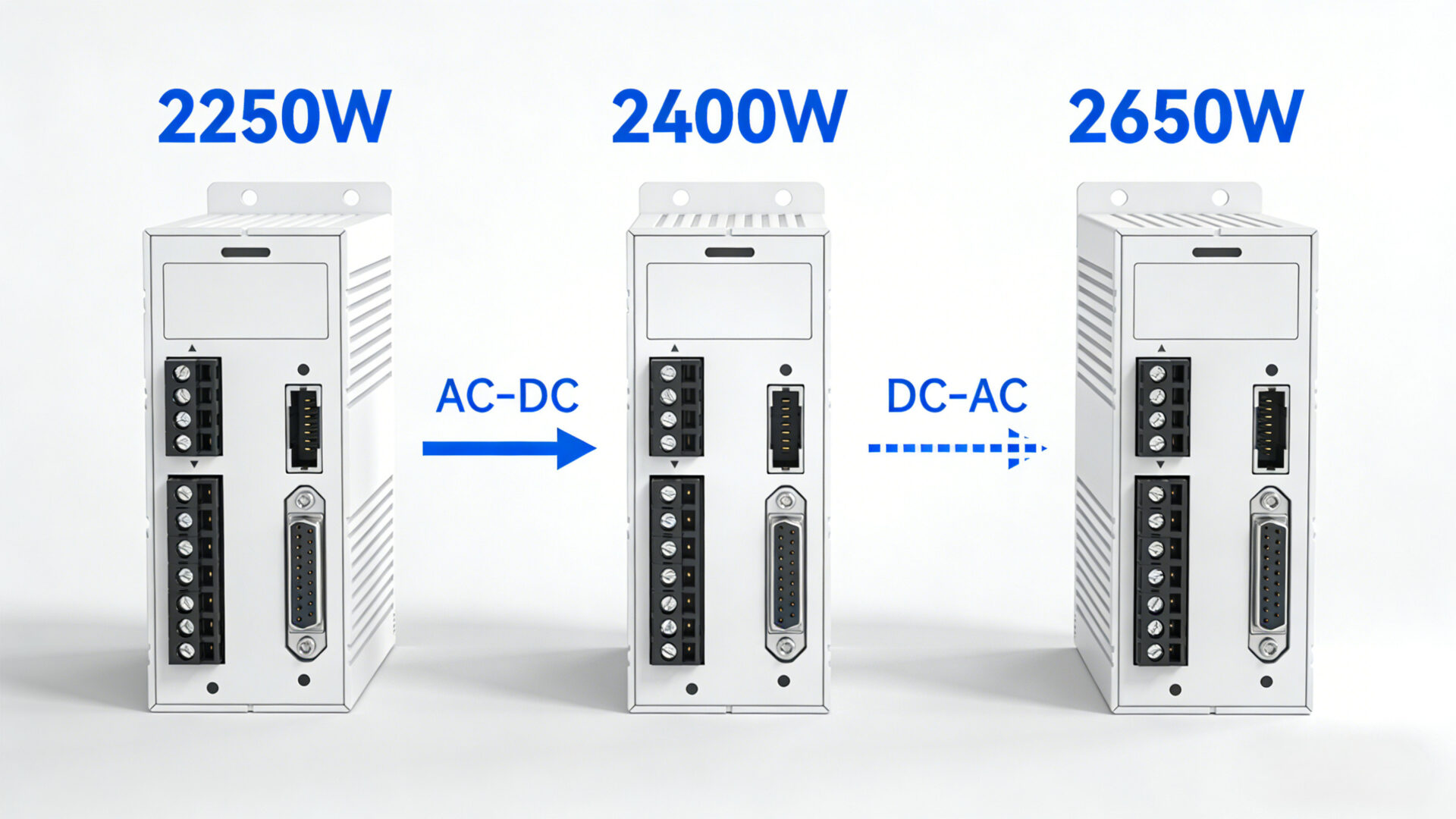
The three main power levels cover slightly different current and efficiency targets, but they stay inside one consistent integration concept. That makes it easier to standardize around one electrical and mechanical platform while tuning output capacity to your application.
| Model | AC→DC Rated Output | AC→DC Rated Current | AC→DC Peak Efficiency | DC→AC Rated Input Capacity | DC→AC Rated Current | DC→AC Peak Efficiency |
|---|---|---|---|---|---|---|
| TPS-BM142250SIR | 2250W | 161A @ 14VDC | 93.5% | 1575W | 105A @ 15VDC | 88% |
| TPS-BM142400SI | 2400W | 171A @ 14VDC | 91.5% | 1680W | 112A @ 15VDC | 88.5% |
| TPS-BM142650SI / TPS-BM142650SIR | 2650W | 189A @ 14VDC | 91.5% | 1855W | 123.7A @ 15VDC | 86% |
2.2 AC-to-DC and DC-to-AC directional performance
In AC-to-DC mode, the BM14 series provides a 14VDC output platform suitable for high-current test and conversion tasks. In DC-to-AC mode, the module supports reverse energy flow back toward the AC side, which is important for regeneration, recovery, and power recycling strategies. For many buyers, that directly translates into lower wasted energy in long-duration validation or aging processes.
The input side uses L+N+PE wiring and a 220/230/240VAC rated voltage across a 176-264VAC input range. For applications that live in real factory conditions rather than ideal bench power, that operating window matters. It gives integrators more confidence when the equipment will be installed in production environments where line quality can vary.
If your build also includes a lab validation stage before line deployment, a programmable bench source such as the EA-PS 3200-02 C programmable DC power supply can be useful upstream in prototype testing, while the BM14 series is better aligned with higher-power bidirectional equipment-level integration.
3. Performance details that affect system integration
For SEO, terms like high efficiency and soft switching technology matter. For actual RFQ approval, the details behind them matter more. Engineers want to know how a module behaves at the AC input, what kind of harmonic profile it produces, how quickly it changes direction, and how much margin they have in real enclosure temperatures.
3.1 Power quality: high PF, low THDi, and soft switching
The BM14 platform is a strong fit for projects that must show disciplined input behavior. The series is specified with PF 0.99 and THDi <5% under stated grid conditions, making it easier to position in systems where procurement or end customers are sensitive to upstream power quality. In practical terms, that supports cleaner integration into industrial test cabinets, power aging racks, and line-side conversion equipment.
Just as important, the datasheet highlights fast switching time below 10ms between rectifier mode and inverter mode. That matters in applications where the system logic changes energy direction frequently. A slow transition can ripple into control instability or protection events elsewhere in the system. A fast transition reduces that risk.
The platform also uses soft switching technology. This is relevant because bidirectional power conversion is rarely judged only on peak power. It is judged on repeatability, thermal stress, switching losses, and how consistently the equipment behaves over long operating cycles.
3.2 Thermal and environmental limits for cabinet design
Thermal design is one of the most overlooked RFQ filters. Buyers may focus on rated power and miss the fact that cabinet heat, airflow direction, and altitude can shift the usable performance window. Here, the BM14 family is attractive because it supports full load from 10°C to 45°C with no derating. From 45°C to 55°C, derating applies to 90%, and from 55°C to 60°C, to 80%.
Storage conditions are also practical for industrial deployment, with a -40°C to 70°C storage temperature range and 5% to 95% relative humidity with no condensing. For higher installation locations, the module is specified for 0-1000m without altitude derating and then 1% power derating per 100m from 1000m to 3000m.
The cooling method is forced air cooling with intelligent control. That supports higher cabinet density than many conservative procurement teams first assume, but it still means airflow planning must be part of the quote package. If the power cabinet also contains control electronics, IPCs, or low-power auxiliaries, TPS’s wider power portfolio such as the TPS100-320W Peak DR-Plus DIN rail power supply can help separate control loads from the main bidirectional energy block.
4. Best-fit applications: cell formation, energy recycling, and grid-connected systems
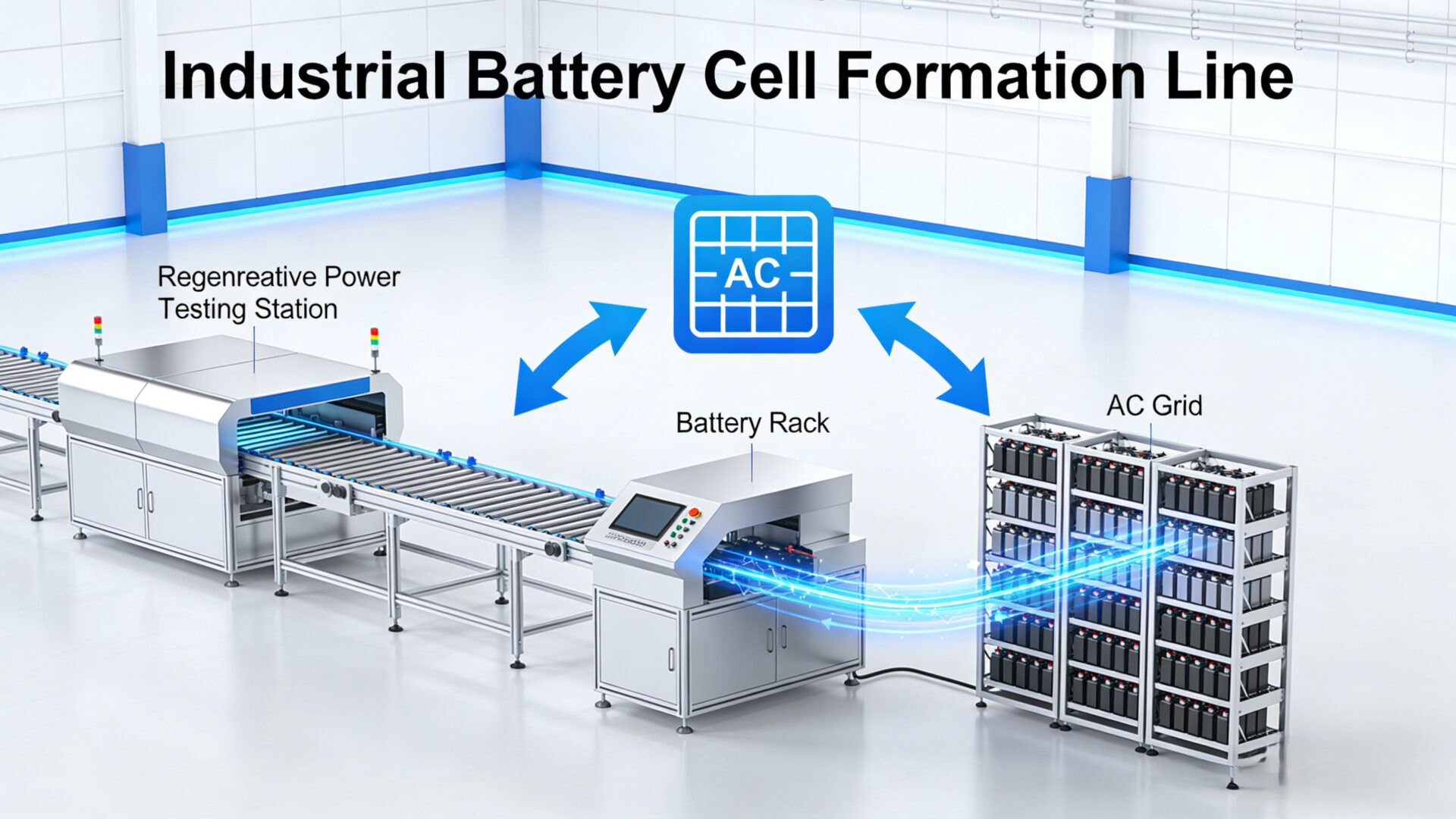
The most compelling use cases for the TPS-BM series are the ones where one-direction-only power supplies force you into a more complicated architecture. The datasheet explicitly points to cell formation and testing, power bidirectional testing, and energy recyclable power aging. That is a practical set of applications, not a generic marketing list.
In a cell formation testing environment, the need is usually stable low-voltage, high-current DC output combined with tight operating control and repeatable thermal behavior. The 14VDC platform is appropriate for equipment designers who want a modular building block that can be paralleled and scaled instead of committing too early to a single monolithic converter strategy.
In energy-recycling aging or regenerative validation systems, the value proposition changes. Here, the goal is not only to supply power but also to recover and redirect it efficiently. That is where bidirectional AC-DC topology becomes commercially important. It reduces the gap between energy-intensive testing and acceptable operating cost, particularly in high-throughput systems or long-duty-cycle qualification programs.
For grid-connected inverter-related systems, sourcing teams often ask whether the module is “industrial enough” for real-world electrical environments. The BM14 series is positioned as a reliable inverter block in grid-connected scenarios and is described with strong grid adaptability. That does not remove the need for project-level compliance review, but it does make the platform more credible in industrial RFQs than lower-spec lab-only hardware.
On the compliance side, buyers usually want EMC and certification pathways addressed early. The datasheet states EN55032 and notes the platform can pass UL, CE, and TÜV certification workflows. For reference only, teams can align internal compliance discussions with official resources such as the European Commission CE marking overview, UL marks overview, and TÜV SÜD product certification overview.
5. Mechanical integration, airflow, and parallel expansion
Mechanical fit is often the last issue buyers consider and the first issue builders discover. The BM14 platform keeps that risk manageable with a compact published size of 141mm × 44mm × 285mm and a unit weight of <2.4kg. That makes the modules realistic for stacked or repeated cabinet layouts, especially where service access, terminal routing, and airflow all matter at once.
The series supports parallel operation up to 8 units, with non-balance of current sharing under 5%. For system integrators, that matters more than the headline wattage. It means you can start with a base configuration, scale output as the station architecture grows, and maintain a more modular spare-parts strategy. That is attractive in production test systems where uptime and replacement simplicity are commercial priorities.
Airflow direction should be reviewed early. The datasheet distinguishes a default airflow path and an R-type path, which is useful when cabinet internal zoning or terminal placement forces a different cooling strategy. In RFQ language, that means the right question is not only “Which wattage do we need?” but also “Which airflow and service access layout will reduce total integration effort?”
One more practical note: the datasheet warns that DC-side voltage above 25VDC will cause power failure. This should be built into protection logic, interface review, and commissioning checklists. It is the kind of detail that does not change SEO rankings, but it absolutely changes whether the field startup is smooth.
If your project includes controller computers, operator IPCs, or separate industrial ATX/Flex power requirements in the same machine, TPS also offers adjacent options such as the FSP300-70PFL-SK, FSP700-80PSA-SK, and FSP220-50FGBBI for the rest of the control cabinet architecture.
6. How US buyers can shorten evaluation and RFQ approval
For BoFu content, the point is not to educate the market from zero. It is to help a buyer move from “interesting” to “approved for technical review.” The fastest path is to structure the RFQ around the BM14 platform’s real decision variables: required AC-to-DC output power, expected DC-to-AC regeneration level, airflow preference, cabinet temperature, altitude, and target number of paralleled units.
A clean RFQ should therefore include these points:
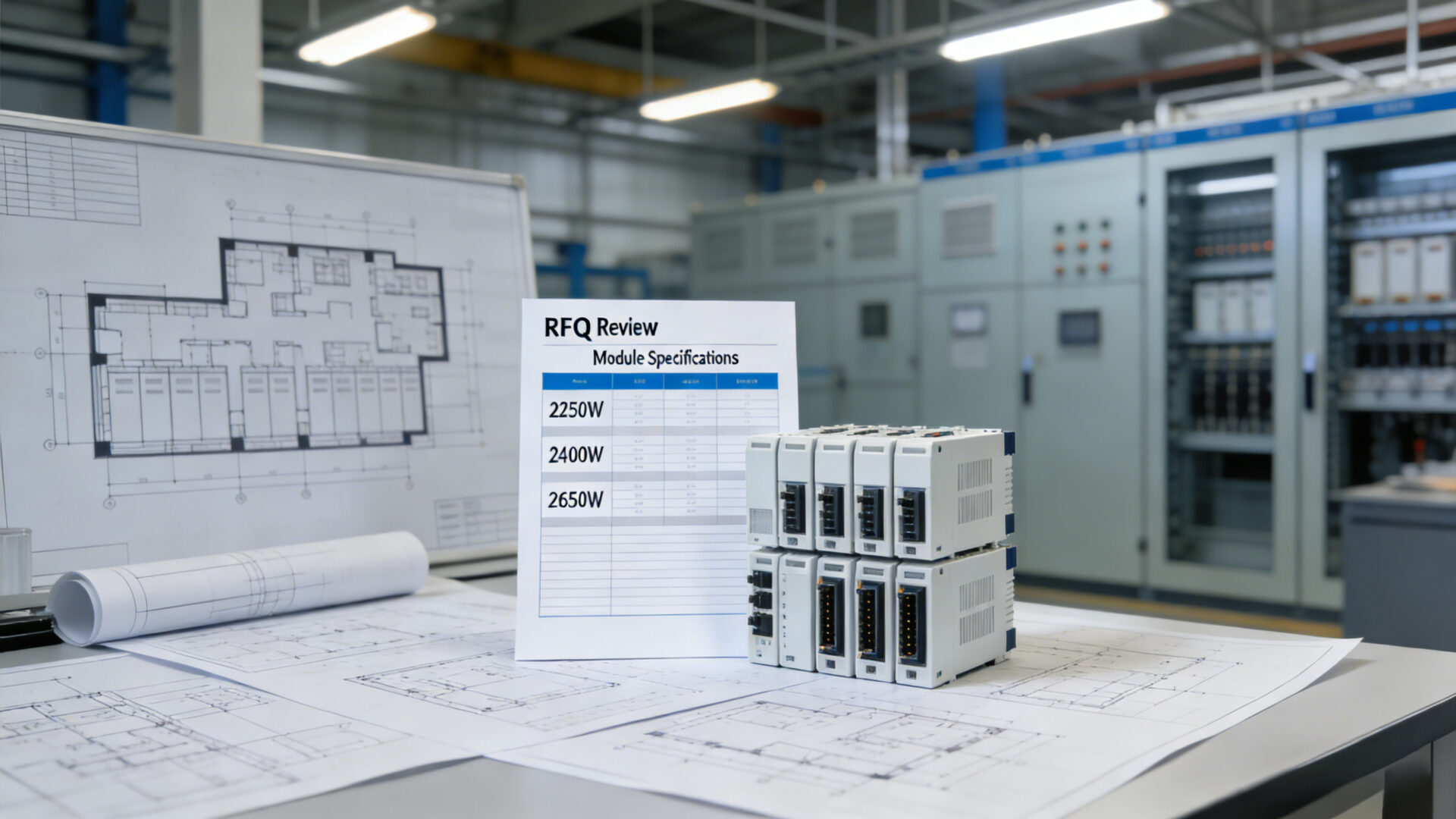
- Target model or required power band: 2250W, 2400W, or 2650W
- Whether the application is mainly AC→DC, mainly DC→AC, or truly bidirectional
- Cabinet ambient temperature and altitude
- Airflow and service access constraints
- Expected number of modules in parallel
- Compliance expectations for EMC and certification pathway
- Interface limits, especially DC-side voltage ceiling and protection strategy
If you want the shortest route to quote alignment, start with the exact product pages and match the project to the closest module:
TPS-BM142250SIR,
TPS-BM142400SI,
TPS-BM142650SI, and
TPS-BM142650SIR.
In practical sourcing terms, the BM14 series is a strong fit when your team needs a modular AC-DC bidirectional power module rather than a patchwork of separate rectifier, inverter, and recovery blocks. That is the real conversion point for this product family: fewer architecture compromises, cleaner RFQ communication, and a more scalable route from prototype station to repeatable industrial system.
FAQ
What is an AC-DC bidirectional power module?
It is a power conversion module that can move energy in both directions between the AC side and the DC side. In this BM14 family, that supports both AC-to-DC supply functions and DC-to-AC energy return or regeneration.
Which BM14 model should I choose?
Choose based on required current, regeneration level, and cabinet scaling plan. TPS-BM142250SIR fits lower-power configurations, TPS-BM142400SI covers a middle range, and TPS-BM142650SI/SIR is better when you need the highest current within this platform.
Is the series suitable for cell formation testing?
Yes. The BM14 platform is explicitly positioned for cell formation and testing, especially where low-voltage high-current DC output and scalable modular architecture are required.
How important are PF and THDi in an RFQ?
Very important. A high PF and low THDi can simplify internal technical review, reduce concerns about upstream AC-side behavior, and improve confidence in industrial deployment compared with less disciplined input stages.
Can I run multiple units in parallel?
Yes. The platform supports parallel operation of up to 8 units, which is useful for scalable test systems, higher current requirements, and modular spare-parts strategies.